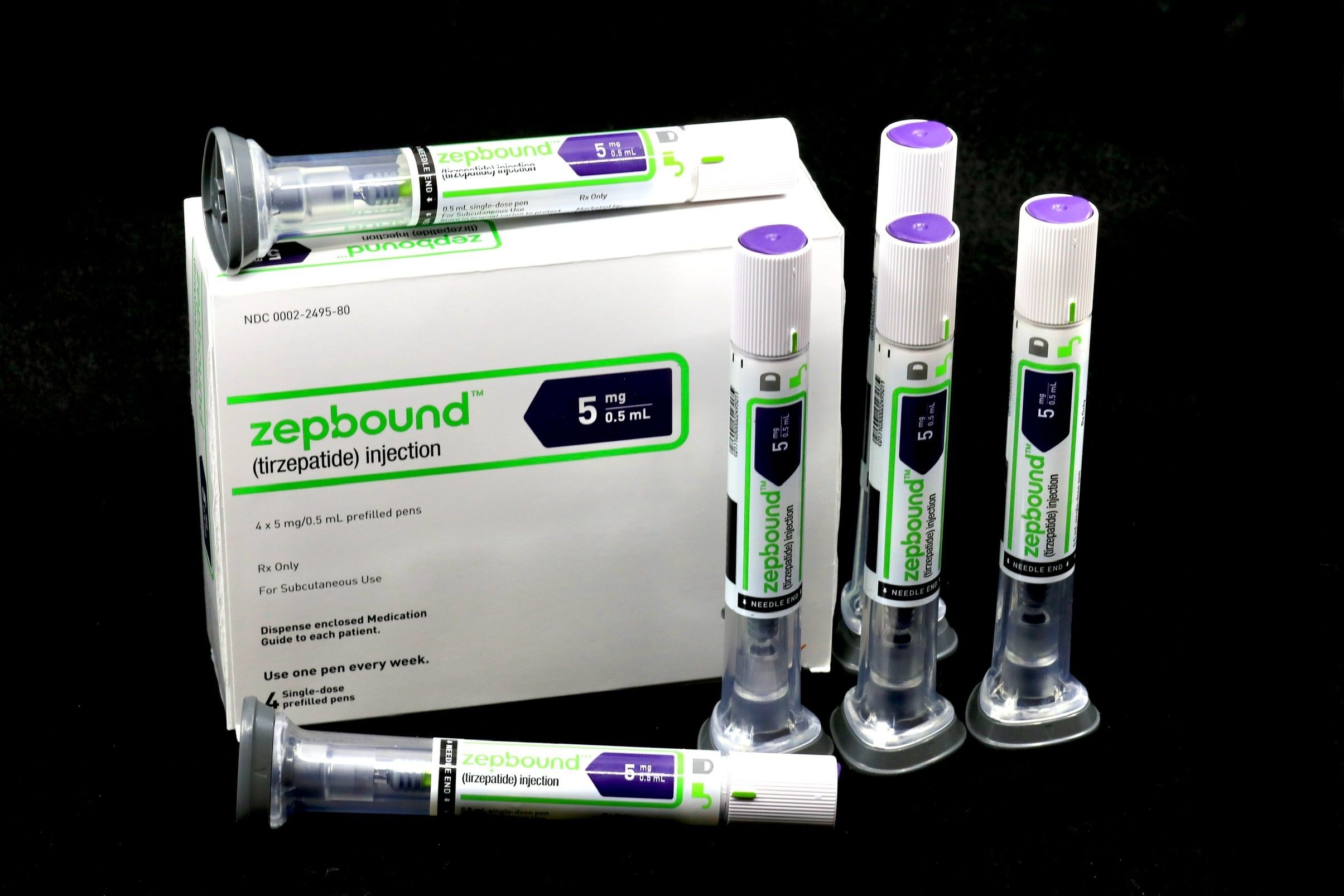
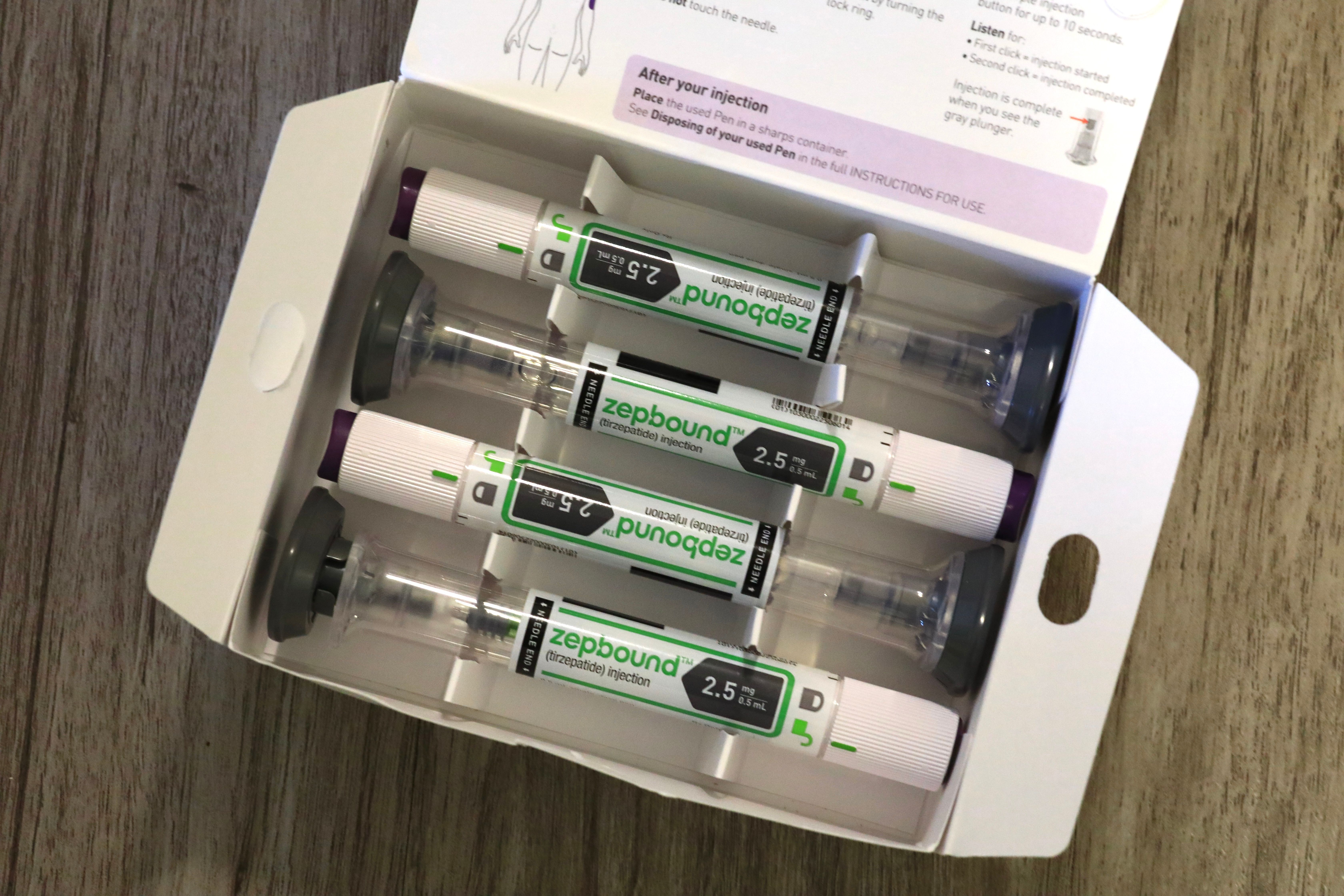
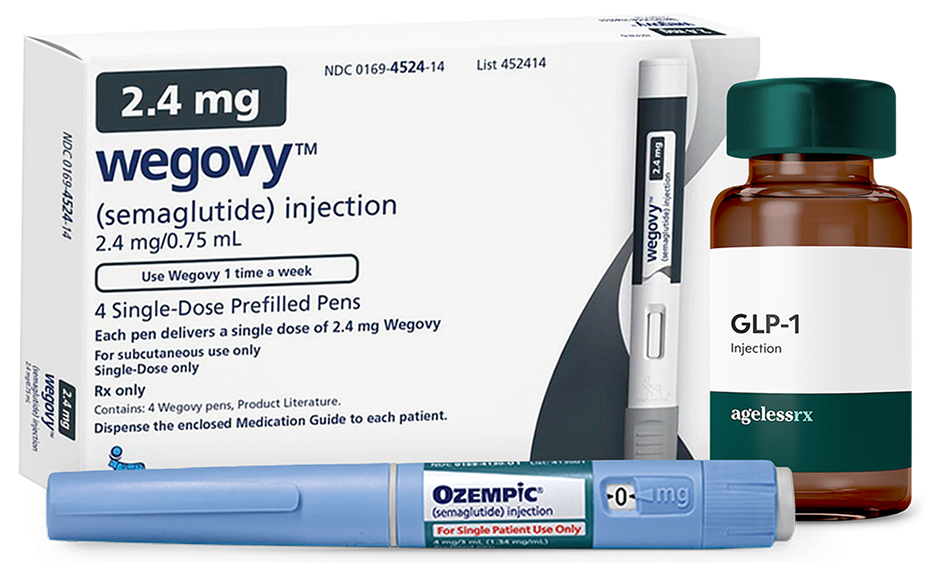
Helpful evidence may include: Medication records Prescription records and pharmacy printouts showing the specific GLP-1 drug, dosage, and dates of use Any compounded or telehealth-prescribed products, including labels, receipts, or online order confirmations Eye and hospital records Emergency department notes from the day you first reported vision changes Ophthalmology and neuro-ophthalmology records, including exam findings Imaging and diagnostic tests (OCT scans, visual field testing, MRI reports, etc.) Timeline documentation A clear chronology showing when you started the medication, when your symptoms began, and how they progressed Records of dose changes, interruptions, or switches between GLP-1 products Impact on your life Employer records showing time missed from work or job loss Statements from family or friends documenting how vision loss has changed your daily activities Evidence of assistive devices, home modifications, or support services you now need Our firm works closely with medical experts to connect the medical facts to the legal claims in a way that meets the standards of federal courts and any applicable MDL orders
A disadvantage of the pill is the risk of inconsistent absorption if you do not follow the strict morning timing
The timeline isn't immediate because methylation improvements require enzyme upregulation
NodTheras small-molecule therapeutics target the monomer proteins from which the NLRP3 inflammasome assembles, preventing its formation and thereby muting downstream inflammatory processes
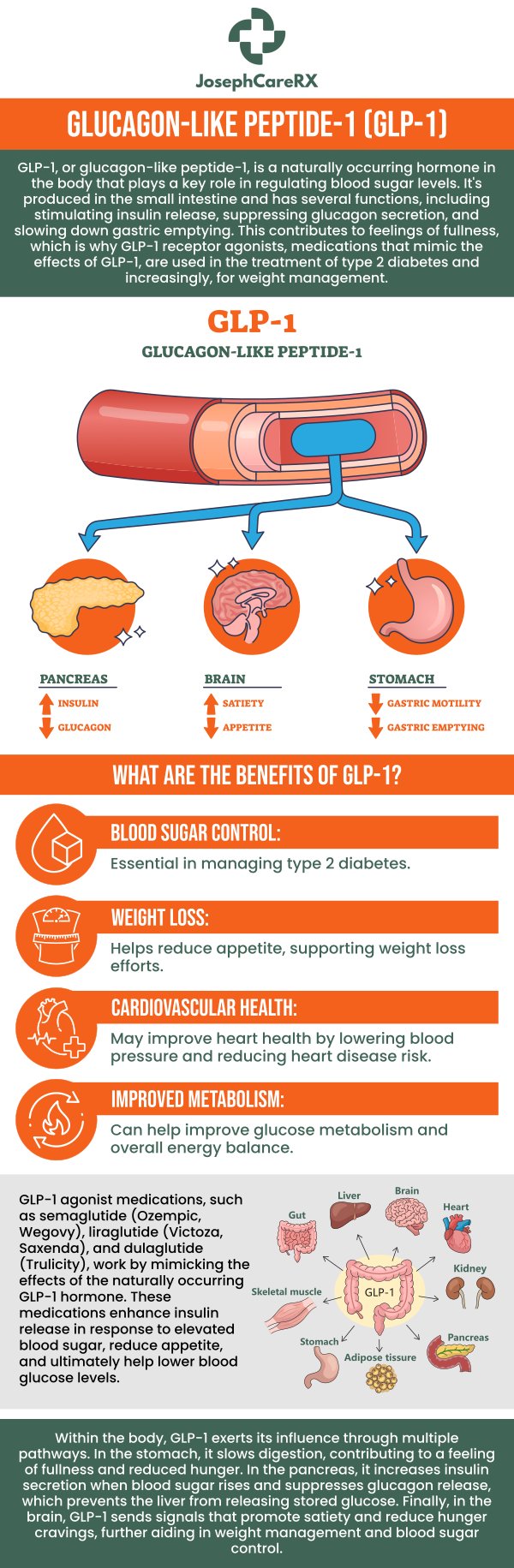
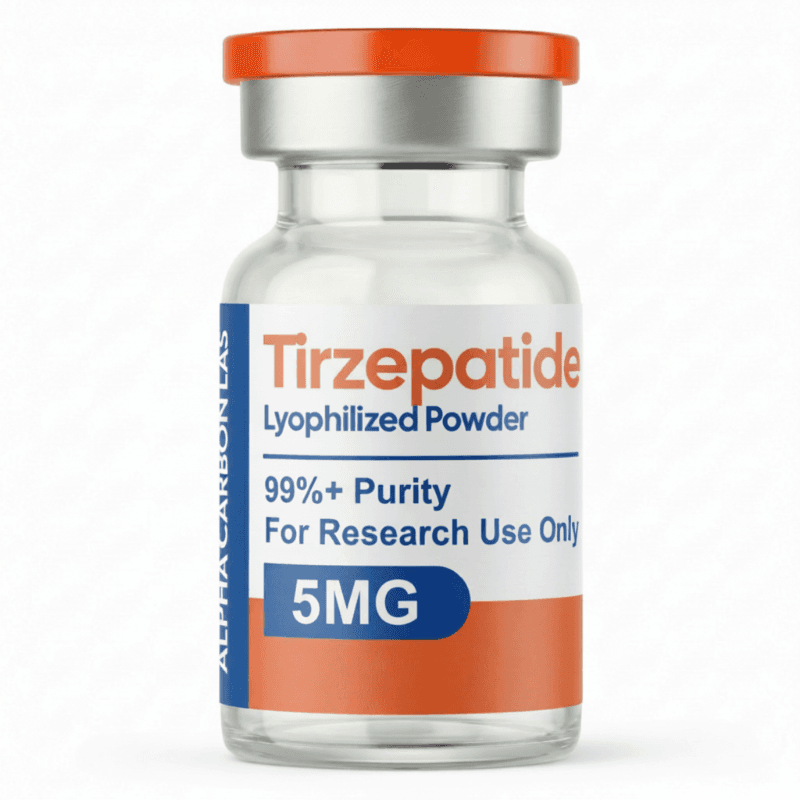
Developed by Eli Lilly , it is the first treatment to combine dual agonism of GIP and GLP-1 receptors